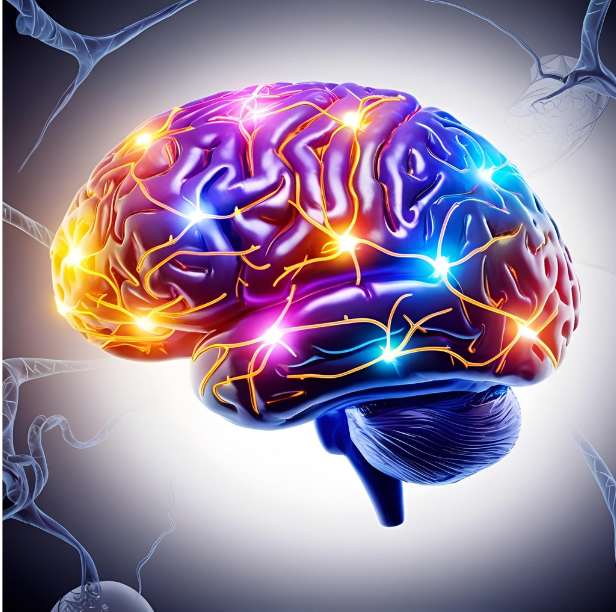
What is a Brain Injury?
A brain injury is a medical condition that affects the ability of the brain to function properly. There are broadly two main classifications for brain injuries: Acquired Brain Injuries (ABI) and Traumatic Brain Injuries (TBI).
There are multiple causes and symptoms for both, and generally speaking no two cases look exactly the same due to the complexity of the brain.
Acquired Brain Injury (ABI)
ABIs include brain damage that occurs during or after birth, and are not related to genetic or hereditary conditions. These injuries can result from a range of causes, such as medical negligence. Unlike traumatic brain injuries, ABIs can also be caused by internal factors.
Common causes of ABI
Common causes of ABIs include infections such as meningitis, stroke or hypoxia (lack of oxygen to the brain). For our child LB, hypoxia occured when he suffered a cardiac arrest. ABIs can have significant, long-lasting and life changing effects. An ABI affects each individual differently, and the effects can be permanent or temporary.
Examples of effects from ABI
Common cognitive effects from ABI can include memory issues and reduced attention span. There can be physical impacts, including potential episodes of pain and communication issues.
Mobility effects can include gross (big) and fine (small) motor disorders, which affect movement of limbs and muscular tone. Some of these include spasticity, which causes stiff or rigid muscle tightness. Dystonia can also occur, which is caused by a problem with the part of the brain that controls movement. For us, our child LB has both spasticity and dystonia, resulting in quadriplegia. This means all four limbs (both legs and both arms) are impacted.
Emotional effects can include anxiety, depression and notable changes in mood. There can also be behavioural effects like feeling isolated or showing signs of fatigue.
Can ABIs be treated?
Yes, some of the effects can be treated with medication and/or therapy. Therapy options include physiotherapy, occupational therapy and speech and language therapy. Music therapy and hydrotherapy may also assist with rehabilitation and symptom management. Some children may make a marked recovery, while others may not respond as well to rehabilitation efforts. The key takeaway is that each child will respond differently, and it is not easy to predict.
Traumatic Brain Injury (TBI)
TBIs include external forces causing trauma to the brain, such as a car crash, a violent impact or a sports injury such as concussion.
Both types of brain injury may lead to a further diagnosis depending on the way it presents – for those aged 2 and below, this will often include cerebral palsy. It is important to note that the after effects of a brain injury can take up to 2 years to fully present.