What is oral simulation?
When your child has been assessed as having an unsafe swallow, it is very important to ensure that you protect their oral health. This involves much more than simply brushing teeth. Our child LB had a plan put together for oral stimulation that I’m sharing here as it may help others. If you need professional advice about oral stimulation, you should consult your Speech and Language Therapist for guidance.
The goal of oral stimulation
The goal of oral stimulation is to create positive oral experiences and stimulation of the oral structures.
Precaution
DISCONTINUE AND TRY AGAIN LATER IF YOUR CHILD BECOMES UPSET AT ANY POINT. The purpose of oral stimulation is to build on positive experiences that will encourage your child, so we want to avoid negative experiences when possible.
Step by step process for oral stimulation
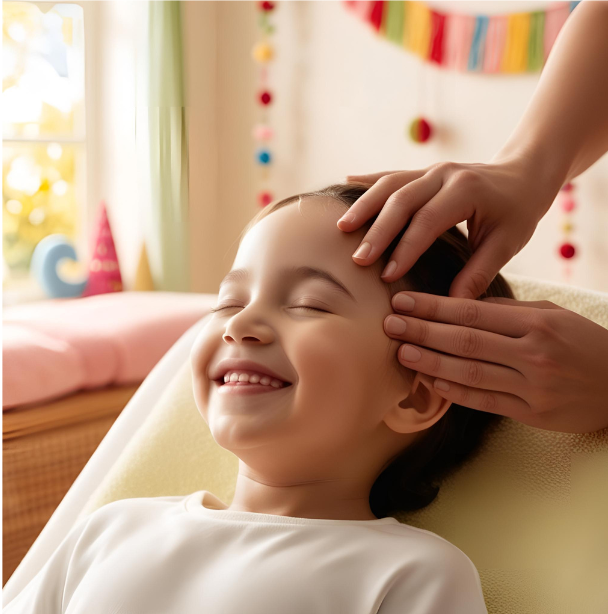
1. Stroke your child’s cheeks from their ears to the corner of their mouth on both sides 5 times.
2. Stroke your child’s lips from the outer corner to the inner corner on both sides 5 times.
3. Stroke from your child’s nose to the top of their lips 5 times.
4. Stroke your child’s top gum from the outer corner to the inner corner on both sides 5 times – you may want to do this with a dummy or a teether.
5. Stroke your child’s bottom gum from the outer corner to the inner corner on both sides 5 times. Again, you may want to do this with a dummy or a teether.
6. Stroke your child’s tongue from back to front 5 times. Do this with a toothbrush ideally, don’t go too far into their mouth and be aware that your child may rapidly close their teeth – don’t worry, this is a normal reflex!
Try to complete the programme 3 times daily for 10 minutes each.
Other activities that support oral stimulation and development
Encourage your child to ‘mouth’ their hands or toys to stimulate oral activity.
Offer a toothbrush or a teether for your child to mouth – this will encourage their oral motor skills to engage and develop.
Use a washcloth on their face to gently rub their cheeks.
Gently rub different textures on their face like a cuddly toy or soft blanket which will provide your child with sensory input.
Sources of Further Information
https://www.scope.org.uk/advice-and-support/a-z-eating-difficulties