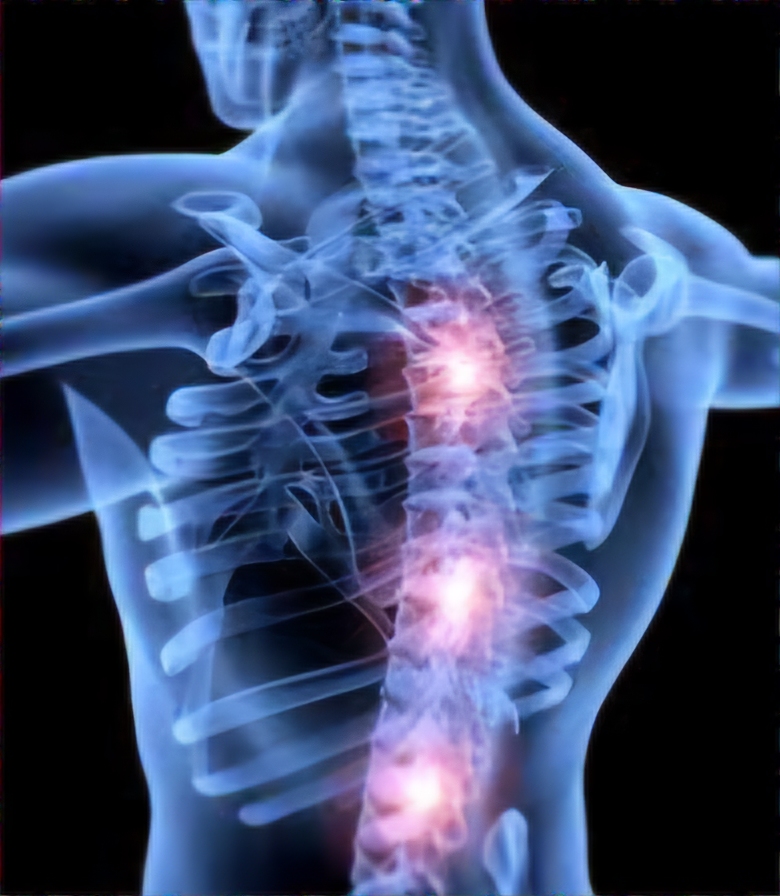
Bone Density
Bone Density is the measure of the strength of bones. It helps bones cope with everyday stresses and strains. It increases rapidly through normal adolescence as children grow up. This levels out in adulthood and slowly declines with age. Bone health indicates the strength and density of children’s bones while they are developing.
Bone density is usually measured at the spine, forearm, heel and/or hip. Low measurements can indicate osteoporosis. This is a thinning of the bone and a loss of its strength. Children with a physical disability are at risk of poor bone health. Their bones are commonly described as being Osteoporotic.
Risk of thin bones and fractures
Children with cerebral palsy who cannot walk risk developing weaker, thin bones. This is also true for any child with reduced mobility. Those who additionally do not weight bear will be at higher risk. For our child LB, he is routinely encouraged to practice supported standing. By getting him to do this, we are looking to prevent thinner bones.
Poor bone health can lead to non-traumatic fractures. These most commonly occur in the long bones of the legs or in the spine. These types of fractures occur due to low impact trauma to the affected bone. They can also occur through normal handling and movement of your child. This activity can seem innocuous such as routine personal care, hoisting or dressing.
Sadly, children who suffer a fracture are at greater risk of suffering further broken bones. Learning how to handle and move your child can help reduce this risk. Likewise, having a good daily routine including supported standing promotes healthy bone growth.
Developing strong bones
In typically developing children, strong bones are developed by a variety of means. This includes regular walking, healthy diet and regular activity. Ethnicity can also influence bone development.
Your physiotherapist or occupational therapist will provide advice and education about moving your child safely. They can also consider how to support your child’s participation in safe, regular weight-bearing activities such as standing. A paediatrician/doctor can provide advice and education about your child’s bone health. This will help identify potential risk factors. They may also prescribe additional Vitamin D and calcium supplements to support your child’s bone health.
Weight-bearing activities, such as standing frames, and supported physical activity improve bone health. It is important your child is handled correctly by all carers and therapists involved in their routine care. This includes carrying out changing or toileting. It also includes any physiotherapy programmes or use of equipment. You should fully understand any risks associated with their movement and therapy activities.
Monitoring
If your child has reduced mobility, it is important to monitor their progress. For LB, we have a professional assessment carried out annually as he is quadriplegic. Quadriplegia indicates that he has lost control over his four limbs (arms and legs). His monitoring takes the form of an x-ray in hospital and a consultation with a specialist. He also has routine CPIP (Cerebral Palsy Integrated Pathway) monitoring of his hips.
What happens if my child has a fracture?
If you think your child has a fracture, go immediately to your local Emergency Department.
Signs and symptoms of a fracture include:
- Swelling
- Bruising
- Tenderness
- Abnormality/change of shape
- Pain when pressed or moved
Sometimes there isn’t any clear sign. Your child may appear in pain or unsettled. In this case, seek further advice from your child’s doctor or their physiotherapist if you are worried.
Sources of Further Information
Royal Osteoporosis Society
British Society for Children’s Orthopaedic Surgery
https://www.bscos.org.uk/public
NHS Inform – Osteoporosis