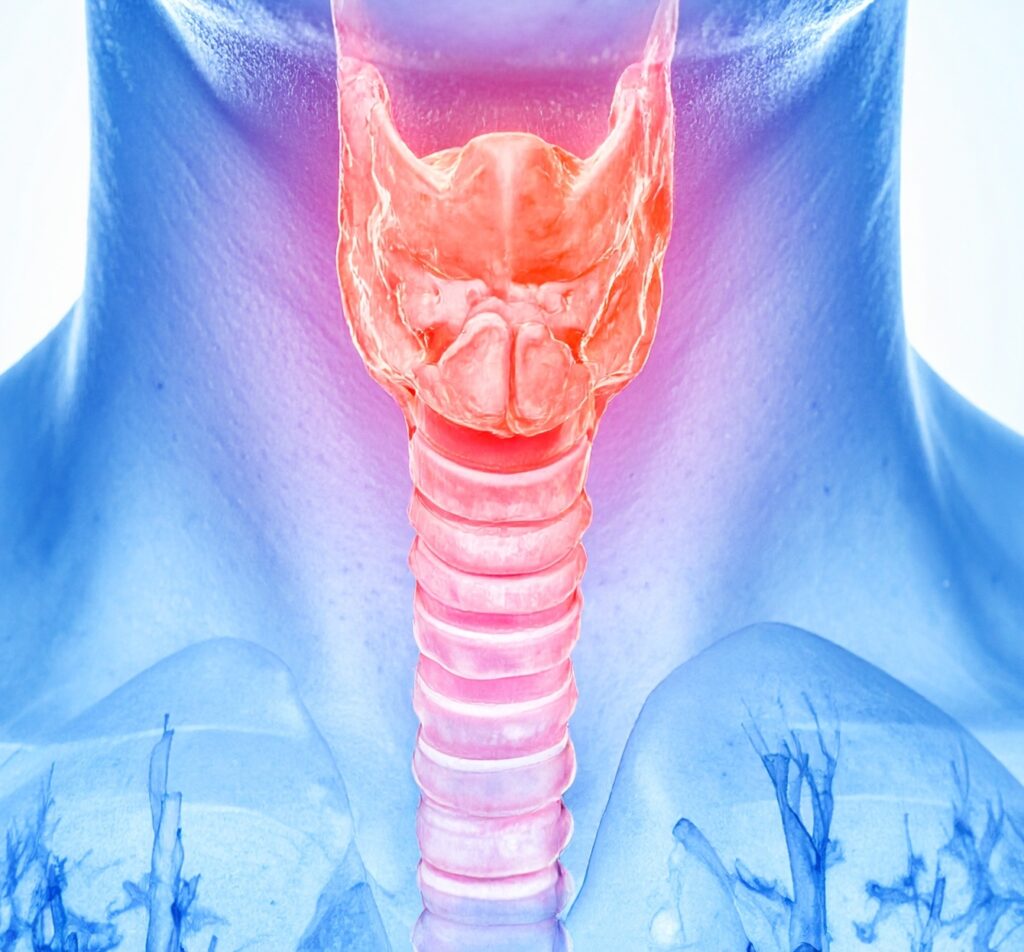
What is Dysphagia?
Understanding dysphagia is a complex subject. It is sometimes incorrectly considered to be an illness. Dysphagia is a condition where individuals experience difficulty with any part of the swallowing process, from the mouth to the stomach. This can stem from various underlying conditions. It often results in difficulty swallowing or food getting stuck in the throat/chest. Other signs are coughing during meals or refusing to eat.For our child LB , he was assessed as having an unsafe swallow. This was following a central diagnosis of cerebral palsy.
Causes of dysphagia include neurological disorders, muscle weakness, anatomical abnormalities, or developmental delays. As parents and carers of disabled children, it is an important condition to understand. Dysphagia can significantly affect the nutritional intake, social interactions, and overall quality of life for your child. This post aims to shed light on dysphagia, offering insights and practical advice. For detailed information, advice should be sought from a medical practitioner.
Types of Dysphagia
There are two main categories: oropharyngeal and oesophageal dysphagia. The former occurs when the problem lies in the mouth or throat. The latter refers to difficulties in the oesophagus (gullet or food-pipe). Knowing this distinction assists development of an effective treatment plan.
Signs and Symptoms to Watch For
Given the nature of the condition, attention should be paid to your child’s eating. Symptoms of dysphagia might include:
- Frequent coughing or choking during meals
- Difficulty chewing or managing food
- Refusal to eat certain textures or types of food
- Excessive drooling or difficulty controlling saliva
- Changes in voice quality after swallowing, such as a wet or gurgly sound
If you notice these signs, it’s important to consult a healthcare professional. There are speech and language therapists who specialise in paediatric feeding disorders. They can conduct a detailed assessment and guide the next steps for your child.
Managing Dysphagia
Developing a symptom management plan can improve outcomes for your child. Here are some strategies to consider:
- Consult Specialists. Collaborate with a multi-disciplinary team, including speech therapists, dietitians, and occupational therapists. They can provide tailored recommendations and interventions.
- Modify Food Textures. Depending on your child’s needs, you may need to adjust the consistency of their food. For instance, pureed or soft foods can make eating safer and more manageable.
- Create a Safe Eating Environment. Minimise distractions during mealtime to allow your child to focus on eating. Encourage a comfortable and relaxed atmosphere to reduce anxiety around food.
- Practice Safe Swallowing Techniques. Work with a speech therapist to teach your child proper swallowing techniques. This can help prevent aspiration and promote confidence during meals.
- Incorporate Hydration. Ensure your child stays well-hydrated. Sometimes, thickening agents can be used to modify liquids, making them easier to swallow.
Conclusion
Dysphagia is a daunting diagnosis. With the right support in place, parents and carers can help their children. By working closely with healthcare professionals, you can improve or stabilise outcomes.
Sources of Further Information
https://www.nhs.uk/symptoms/swallowing-problems-dysphagia
https://www.gosh.nhs.uk/health-professionals/dysphagia-service
https://www.scope.org.uk/advice-and-support/swallowing-difficulties-dysphagia