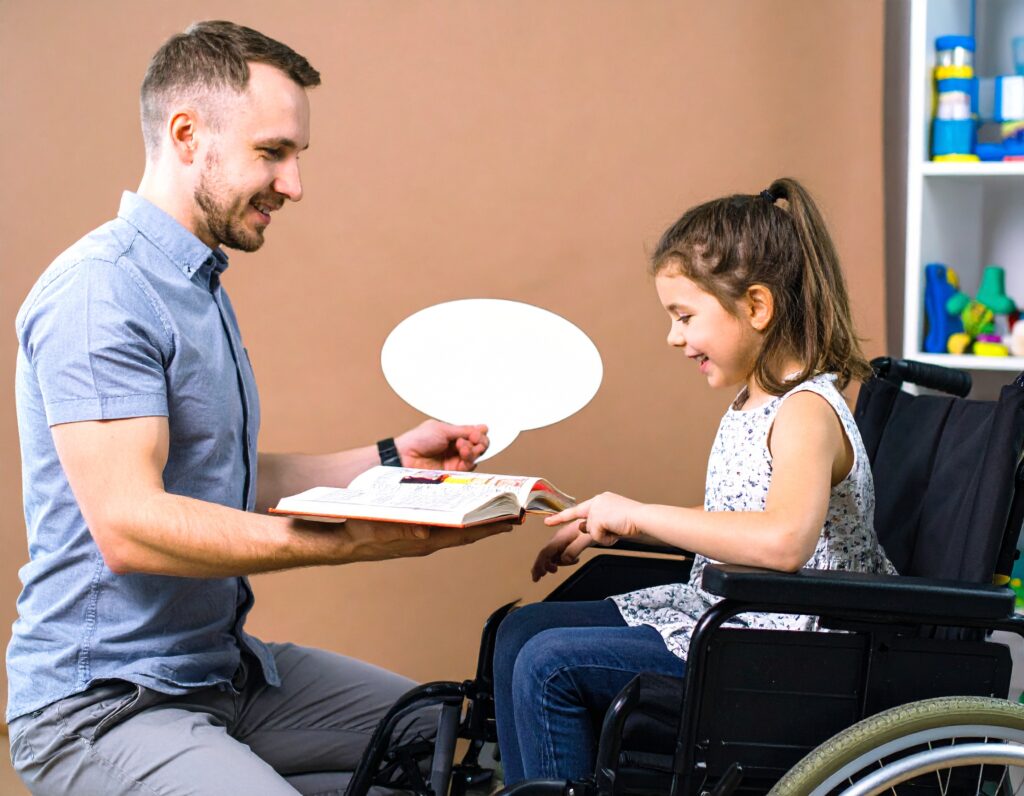
What is Speech and Language Therapy?
Speech and language therapy involves the assessment and treatment of communication impairments. It is conducted by highly trained therapists. They work with children to develop their speaking, listening, and understanding abilities. For disabled children, these impairments can stem from various conditions. These include cerebral palsy, autism spectrum disorders, Down syndrome or developmental delays. Therapy can address challenges like language comprehension, creating opportunities for better interaction.
Effective communication is vital for a child’s development. It enables them to express their needs, thoughts, and emotions. For disabled children, speech and language therapy provides tools to improve their communication skills and enhance their quality of life.
Early Intervention
Research shows early intervention leads to more successful speech and language development. The earlier a child begins therapy, the better their chances of improved communication skills. Parents and carers play a crucial role in early intervention. Observing signs of communication difficulties can help identify when therapy might be beneficial. This includes limited vocabulary, difficulty forming sentences, or challenges in making eye contact.
Techniques Used in Therapy
Therapists utilise various techniques tailored to meet the specific needs of each child. These may include:
- Play-Based Therapy. Engaging children through play makes learning fun and less intimidating. This method encourages natural interaction and language use in enjoyable scenarios.
- Augmentative and Alternative Communication (AAC). For children who struggle with verbal communication, AAC devices can be used. These may be picture boards or speech-generating devices like switches.
- Parent Involvement. Therapists work with parents to equip them with strategies to support their child’s communication. This collaborative approach helps reinforce skills outside of therapy sessions.
Creating a Supportive Environment
Parents and carers can create a conducive environment for learning and practicing communication skills. Here are some helpful tips:
- Encourage Interaction. Create opportunities for conversations, even if they are non-verbal. Engage in play, read books, and describe everyday activities to help develop language skills.
- Be Patient. Allow your child the time they need to express themselves. Avoid interrupting or finishing their sentences, which can hinder their confidence and willingness to communicate.
- Use Visual Supports. Visual aids, such as images and gestures, can help support communication and enhance understanding.
- Celebrate Progress. Celebrate even the smallest achievements to build your child’s confidence. Acknowledgment and encouragement foster a positive learning experience.
Reflections
Our child LB has been making good progress with this therapy. He has been using switches and play most out of the approaches outlined in this post. LB now makes more sounds and is starting to express choices. Communication is so important in understanding his needs and showing him support.
Speech and language therapy profoundly impacts the lives of children with disabilities. It promotes essential communication skills and builds independence. As parents and carers, advocating for your child’s needs and engaging with therapists will lead to productive therapy sessions. By taking an active role in this journey, you will empower your child to express themselves, build relationships, and thrive in their daily lives. With love, support and guidance, every child has the potential to find their voice.
Sources of Further Information
https://www.hct.nhs.uk/children-and-young-people-speech-and-language-therapy
https://www.imperial.nhs.uk/our-services/speech-and-language-therapy