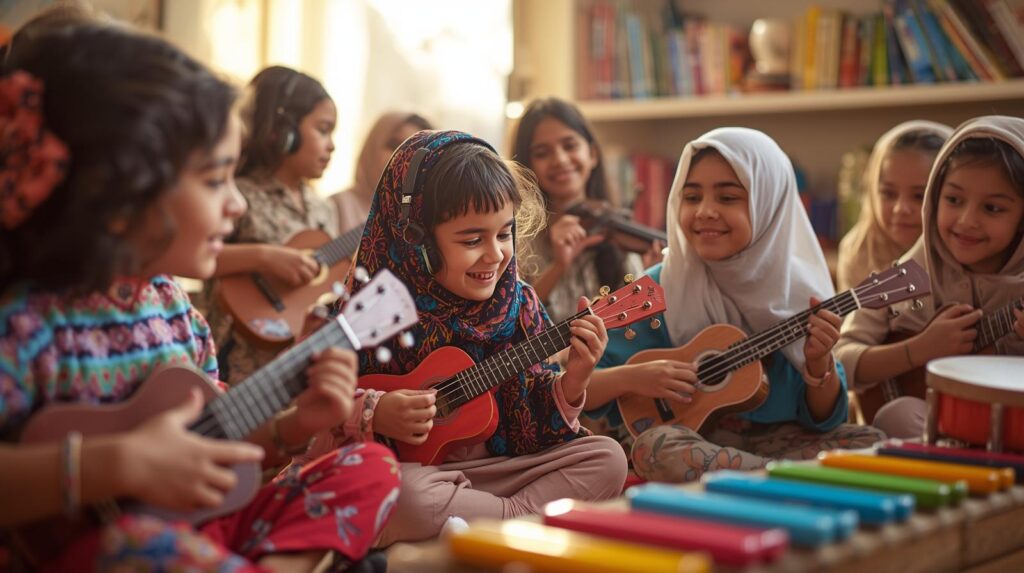
What is Music Therapy?
Music therapy uses music to improve physical, emotional, cognitive, and social wellbeing. Sessions are tailored to meet the unique needs of each child. Their personal preferences in music enhance engagement and motivation. For children with disabilities, it bridges gaps in communication and often serves as a safe and comforting space.
As a parent of a child with disabilities, finding effective therapies can feel daunting. One often overlooked but profoundly impactful approach is music therapy. It harnesses the power of music to facilitate communication, emotional expression, and social interaction. This makes it a valuable tool for children with varying disabilities.
Benefits of Music Therapy
The benefits are numerous. For children with cognitive and developmental challenges, it can aid communication. It provides children with opportunities to express themselves non-verbally. By using rhythm and melody, it creates a way that they can share their thoughts and feelings. This can also boost their self-confidence.
Music therapy can also help improve motor skills. Through activities that involve playing instruments, moving to the beat, or clapping hands, children enhance their coordination and physical abilities while having fun. This physical engagement builds skills and promotes an understanding of the cause-and-effect relationship.
Emotional regulation is another significant benefit of music therapy. Music can help children process their emotions, reduce anxiety, and cope with frustration. They learn to identify feelings and express them constructively. This is particularly beneficial for children who may struggle with traditional forms of expression. Music is particularly important for babies and young children who are visually impaired. Research spearheaded by The Amber Trust has shown that music-making has a positive impact on children’s lives in a way that nothing else does.
Getting Started
If you’re considering music therapy, the first step is to find a certified therapist. Check for recommendations from support groups or through your community paediatrician. Play groups and nurseries may also have access and are a valuable source of information. For our child LB, I applied for music therapy from the Amber Trust. When those sessions had ended, I was able to secure additional ones from the local hospice.
Therapy sessions can be tailored to either one-on-one or group settings, depending on your child’s needs and preferences. Parents or carers engaging in a child’s therapy can also be incredibly beneficial. Participating together enhances the therapeutic experience, and strengthens your bond. Remember, every child’s journey is unique, and the key is to find what resonates best with them. Taking part allows you to see and evaluate what works well. I often take part in LBs sessions – not for the entirety, as it is important to allow the therapist to also build a bond. I tend to join halfway through, so that I don’t become a distraction for LB.
Conclusion
Music therapy offers a world of possibilities for children with disabilities. Through the joy of music, they can unlock their potential, discover new ways to communicate, and find harmony. If you have not yet explored this avenue, consider giving it a try. You may just find it to be a transformative experience for your child.
Sources of Further Information
https://www.bamt.org/music-therapy/what-is-music-therapy
https://www.gosh.nhs.uk/patients-and-families/support-services/music-therapy/about-music-therapy