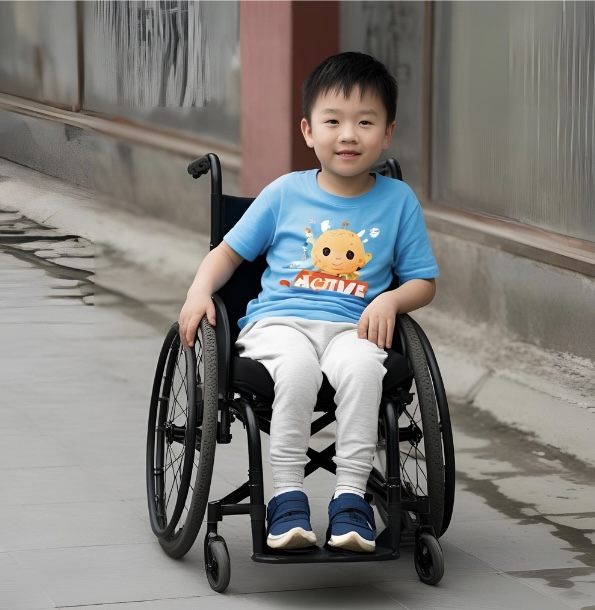
Being active at home
Being active at home is important. This can seem intimidating if your child has a brain injury. For our child LB, we wanted to ensure he wasn’t just laying down all day. We were keen to get some movement in his routine. We’re not medical professionals, so we sought advice from the Bobath Centre for Cerebral Palsy. Sadly, they are no longer able to support families as they once did. I’m sharing here some reflections that may help.
This won’t suit all children, but may be of value for promoting active movement.
Incorporating active movement throughout the day
The activities we discuss here are ideally incorporated throughout the day. This is as play activity, rather than as a physiotherapy routine. There is no specific time or duration! This flexibility is important to reduce the pressure on parents and carers. Likewise, if your child is having a bad day, you can give these activities a miss.
Being guided by your child on activity
Key indicators are engagement, attention and the quality of their postural and movement control. Your child will indicate how long they can be active, and when rest is needed. Short episodes of positive interaction are better than longer periods of reduced quality activity. Correct positioning and handling are vital throughout the day and night. Our child LB is more vocal when he needs rest. Likewise, he has started to move arms and legs more when he wants to be active.
Positioning to be active
Professionals such as a Physiotherapist or Occupational Therapist can help with this. Each child will be different. It is important to maintain good positions throughout the day and night. This will help your child relax and be active. For LB, he needed positioning to counteract extension of his head. This helped him learn to maintain neck control. Flexing his hips and knees helped establish comfortable positions for him.
Active support
Supporting your child’s position can help them be active. For LB, we helped him bring his head forwards to look at toys. Positioning toys just below his eye level encouraged neutral positioning of his head. In a neutral position, such as supported sitting, he held his head. We then worked on active tracking with his eyes to encourage head turning. Moving slowly and predictably allowed him time to organise his movements. Ideally you can minimise distractions, which will allow your child to focus.
Sitting and lying
We used a pillow with a rolled-up towel over LBs legs for a good sitting position. This allowed him to open and turn his hands. It also encouraged him to bring his head forwards.
Lying on his side helped LB enormously in being active. He was much more likely to use his hands and more settled. We popped a pillow under his head and a roll under his knees to keep him comfortable.
Trunk support
Providing trunk support helps with upright sitting. Ideally the trunk is aligned straight above the pelvis. Arms are ideally in front of your child, rather than pushed back. Again, get professional advice on the best positions to promote being active.
Managing tone by being active
LB is encouraged to take weight on open hands. His default was to form his hands into fists. To get active movements, we work on getting him to open his hands. Taking weight helps stretch the muscles of his hands and forearms. Taking weight through his arms helps LB to use arm and shoulder muscles.
Reflections
- Getting LB more active at home was an important early step.
- We had spent a few months in hospital. LB had been laying down for most of it on powerful medication.
- Getting LB moving and active was not easy.
- Remember, you’re not on your own. Many professionals are willing to help get your child more active.
- There are many charities that can help too.
- LB shows a lot more potential now he is active, and is a lot happier.
- This activity paved the way for a physiotherapy plan.
Disclaimer
Please seek professional advice. Not all of these activities may be appropriate for another child. I’m sharing our experience here to help promote and stimulate thinking. Ongoing advice from your local therapists should be sought.
Sources of Further Information
https://www.thechildrenstrust.org.uk/brain-injury-information/latest/summer-sensory-activities